Habsburg Collecting History Behind Kunsthistorisches Museum
Explore how Habsburg collecting practices shaped the Kunsthistorisches Museum and its present-day galleries.
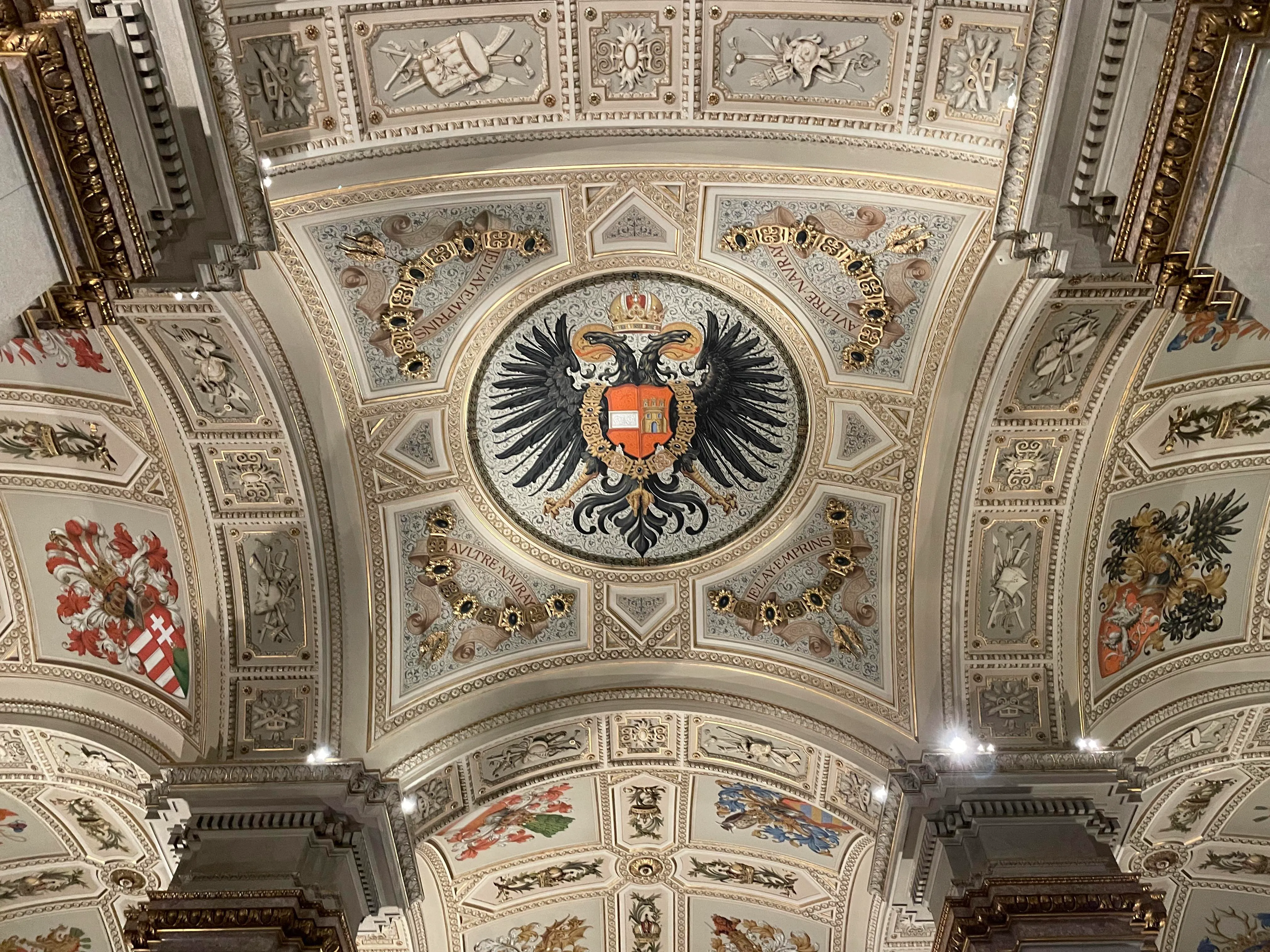
KHM did not emerge as a neutral container of art. It grew from dynastic collecting, court representation, and the political language of objects.
To understand KHM historically, imagine three overlapping ambitions: to possess, to organize, and to narrate. Possession came through patronage, inheritance, diplomacy, and sometimes conquest. Organization came through cataloging and classification. Narrative came when collections were staged for broader public meaning in a modern capital.
Historical phases
- Court collecting and diplomatic exchange.
- Systematic consolidation of imperial holdings.
- Public museum framing in a modern urban capital.
Reading the institution today
- Collection breadth reflects dynastic reach.
- Display choices reflect changing public values.
- Architecture frames knowledge as civic identity.
The museum is therefore both archive and argument: a record of what was gathered, and a statement about how culture should be seen.
Über den Autor

Vienna Museum Editorial Team
Dieser Guide richtet sich an Reisende und Kulturliebhaber, die mehr möchten als einen schnellen Stopp. Ziel ist, Ihnen den Besuch des Kunsthistorischen Museums mit Kontext, Sicherheit und ausreichend Flexibilität zu ermöglichen – damit sowohl große Meisterwerke als auch leisere Entdeckungen ihren Raum bekommen.
Tags
Comments (0)
Loading comments...